
How Rugged Phones Provide Reliable Performance in Extreme Conditions?
A smartphone may work perfectly well in an office, at home, or during a daily commute. But take the same device to a construction site, a remote work area, a mountain trail, or a wet outdoor environment, and its limitations can quickly become obvious.
For people who work or travel in demanding conditions, a phone needs to do more than make calls and run apps. It needs to survive drops, dust, water, temperature changes, and long periods away from a power outlet. This is where rugged phones have a clear advantage.
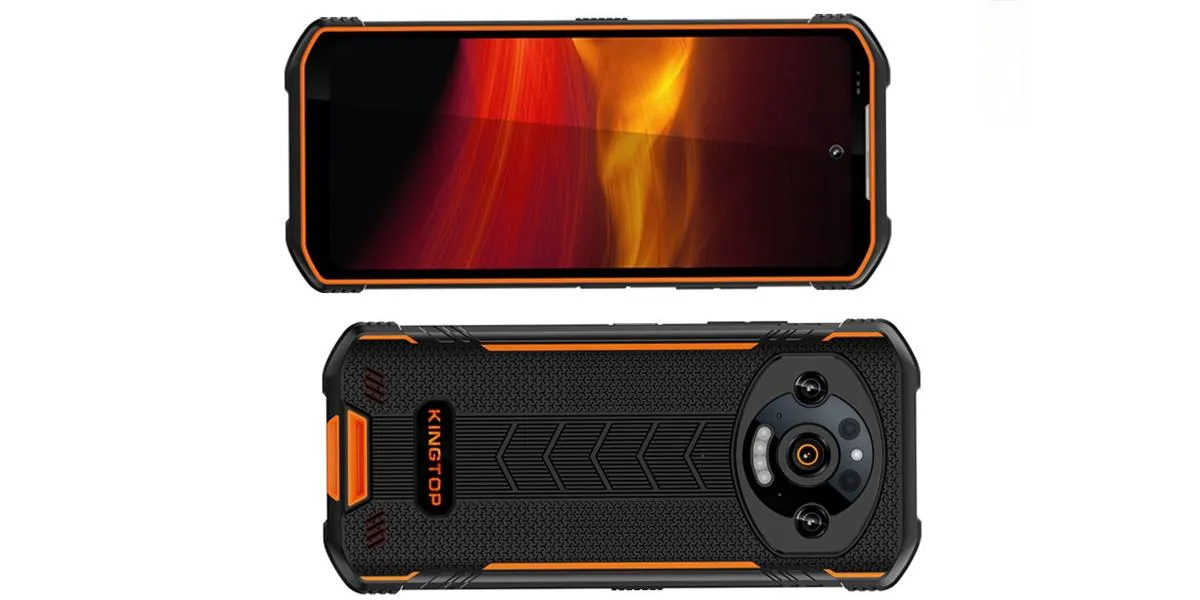
Designed with durability and field use in mind, rugged smartphones combine protective construction with practical features such as large batteries, reliable connectivity, GPS, and outdoor-focused functions. Kingtop develops rugged mobile devices for users who need dependable communication and computing performance beyond conventional smartphone environments.
Built to Handle More Than Everyday Drops
One of the biggest differences between a rugged phone and a standard smartphone is its physical construction.
Regular smartphones are generally designed around a slim and lightweight form factor. Rugged phones take a different approach. Their housings are reinforced to better protect internal components when the device is dropped, knocked against equipment, or exposed to rough handling.
This is particularly useful in industries where phones are part of everyday work rather than simply personal devices. Construction workers, field engineers, logistics teams, utility workers, and outdoor professionals may have to use their phones while moving around uneven terrain or handling tools and equipment. In these situations, durability is not just a nice feature—it can reduce device downtime and the cost of replacing damaged equipment.
Water and Dust Protection for Outdoor Work
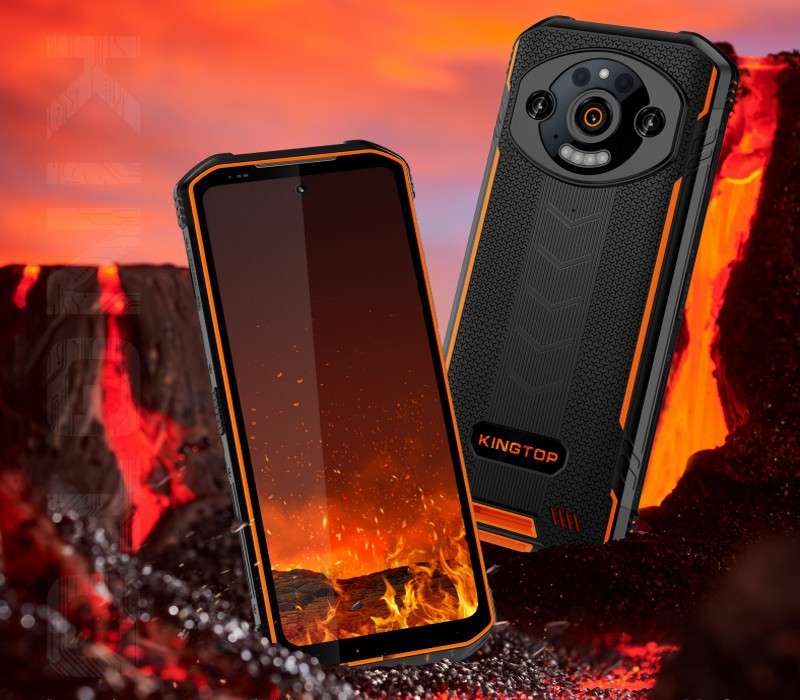
Outdoor conditions can change quickly. Rain, mud, dust, sand, and accidental spills are all potential risks for electronic equipment. Many rugged smartphones are designed around high levels of water and dust protection, with models commonly supporting IP68-rated protection. This type of protection helps the device withstand exposure to water and fine particles that could cause problems for conventional phones.
For workers on construction sites or users exploring outdoor environments, this added protection provides greater freedom to use the device without constantly worrying about keeping it completely dry and clean. The benefit is especially noticeable when the phone is being used as a work tool for navigation, communication, photography, or accessing important information in the field.
A Larger Battery for Longer Days
Battery life becomes much more important when a phone is used away from a desk. A field worker may spend an entire shift moving between locations, while an outdoor user may be away from a charging source for several days. Frequent charging is inconvenient and, in some locations, simply isn’t practical.
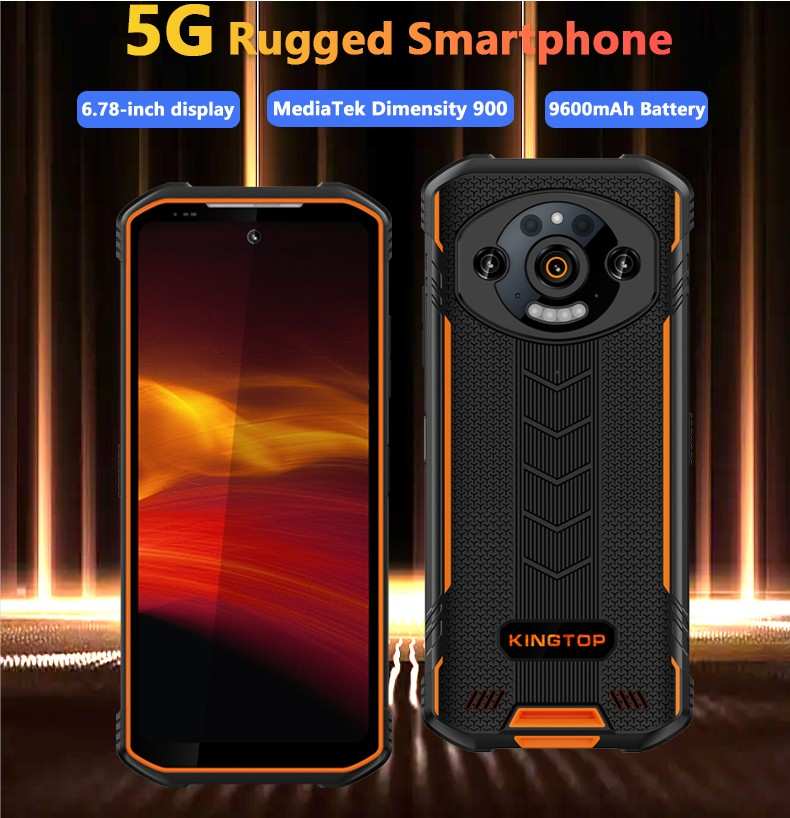
Rugged phones often address this problem with large-capacity batteries designed for extended use. Kingtop rugged phones are built with long-duration field use in mind, helping users stay connected for longer periods without constantly searching for a power outlet.
A larger battery can support activities such as:
- GPS navigation and location tracking
- Mobile communication
- Field data collection
- Photography and video recording
- Online work applications
- Emergency communication
For businesses, longer battery life can also mean fewer interruptions during working hours.
Useful Features for Outdoor and Professional Applications
Durability is only part of what makes a rugged phone useful. The better models combine protection with features that solve real problems in the field. Depending on the model, rugged smartphones may include tools such as thermal imaging, barometers, altimeters, enhanced GPS, and programmable physical buttons.
These features can be useful in very different situations.
A thermal camera, for example, can assist with inspection and maintenance work. An accurate GPS system can help field personnel navigate remote areas, while a programmable button can provide quick access to a frequently used application or emergency function. Instead of carrying a separate device for every task, users can combine several functions into one mobile platform.
Reliable Connectivity When Communication Matters
In remote or demanding environments, connectivity can be just as important as physical durability. Modern rugged smartphones can support advanced cellular technologies, including 5G connectivity, allowing users to communicate, transfer files, access cloud-based applications, and perform other online tasks when suitable network coverage is available.
Kingtop rugged phones combine rugged construction with modern mobile connectivity and capable hardware. This allows users to handle everyday communication and more demanding mobile tasks without treating durability as a compromise for performance. For field service teams and mobile workforces, this can make it easier to stay connected with colleagues and access information while away from the office.
Rugged Phones Can Improve Fieldwork Efficiency
The value of a rugged phone is not simply that it is harder to break. Its real value comes from how durability, battery capacity, connectivity, and practical features work together. Consider a field technician working at a remote site. The phone may be used to check work instructions, communicate with the team, record photos, navigate between locations, and collect information throughout the day.
With a conventional smartphone, concerns about battery life, accidental drops, dust, or rain can interrupt that workflow. A rugged phone is designed around these exact challenges. That makes it particularly suitable for industries where mobile devices are used as working tools rather than occasional communication devices.
Where Are Rugged Phones Commonly Used?
Rugged smartphones can serve a wide range of professional and outdoor applications.
Construction
Construction sites expose mobile devices to drops, dust, moisture, and rough handling. A rugged phone provides a more suitable option for communication, documentation, navigation, and project coordination.
Field Service and Maintenance
Technicians working on equipment or infrastructure often need mobile access to manuals, work orders, diagnostic information, and communication tools. A durable phone can remain useful in environments where conventional devices may be more vulnerable.
Logistics and Transportation
Drivers and logistics personnel rely on mobile devices for navigation, communication, delivery information, and task management. Long battery life and durable construction are particularly useful during long working hours.
Outdoor Recreation and Exploration
Hikers, campers, explorers, and other outdoor users can benefit from durable devices with reliable navigation, large batteries, and water and dust protection.
Emergency and Remote Operations
When access to power and controlled indoor environments is limited, device reliability becomes especially important. Rugged phones can provide a practical communication and information tool for remote operations.
What Should You Consider When Choosing a Rugged Phone?
Not every rugged phone is designed for exactly the same type of user. Before selecting a model, businesses and individual users should consider the environment in which the device will actually be used. Look at the IP protection rating, drop resistance, battery capacity, network compatibility, display visibility, operating temperature range, and available outdoor functions. For professional applications, it is also worth considering whether the device supports the applications and connectivity standards required by the business.
The best rugged phone is not necessarily the largest or most heavily protected model. It is the one that provides the right balance between durability, performance, battery life, connectivity, and usability for the intended application.
Why Choose Kingtop Rugged Phones?
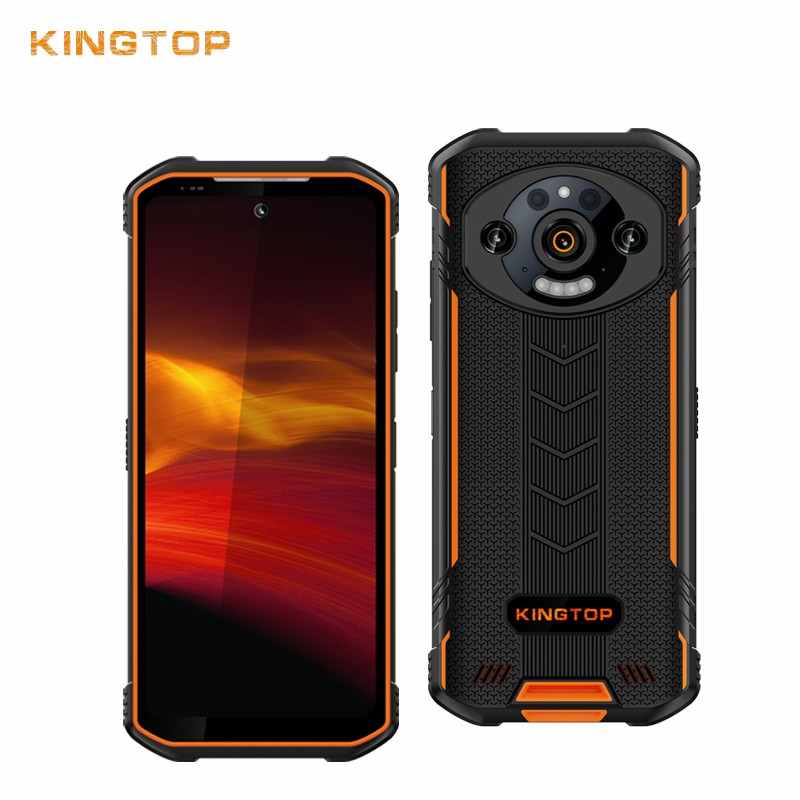
Kingtop focuses on rugged mobile devices designed for users who need dependable performance in demanding environments. Its rugged phone solutions combine durable construction with practical features such as large-capacity batteries, modern cellular connectivity, and outdoor-oriented functions. This makes them suitable for applications where a conventional smartphone may not provide enough protection or endurance.
For businesses purchasing rugged devices in volume, these capabilities can also support a more reliable mobile workforce by reducing disruptions caused by damaged devices or limited battery life.
Summary:
Extreme working conditions place very different demands on a smartphone. A device used on a construction site, in a remote location, or during outdoor activities needs to withstand more than the occasional everyday accident. Rugged phones address these challenges through stronger construction, water and dust protection, extended battery life, reliable connectivity, and practical outdoor features.
For users who depend on their phones throughout long shifts or in difficult environments, choosing a rugged smartphone can mean fewer interruptions and greater confidence in the field. With its focus on durable mobile solutions, Kingtop provides rugged phones designed to keep communication and essential mobile functions available when ordinary smartphones may struggle.





Leave a reply