
What Are Benefits and Disadvantages of Rugged Phones?
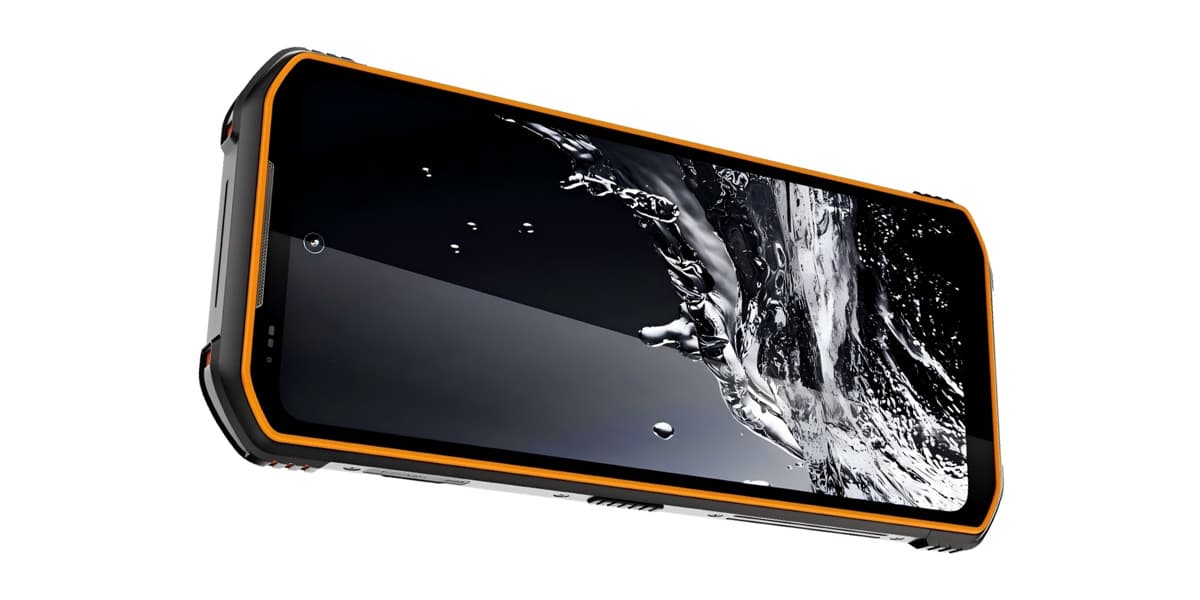
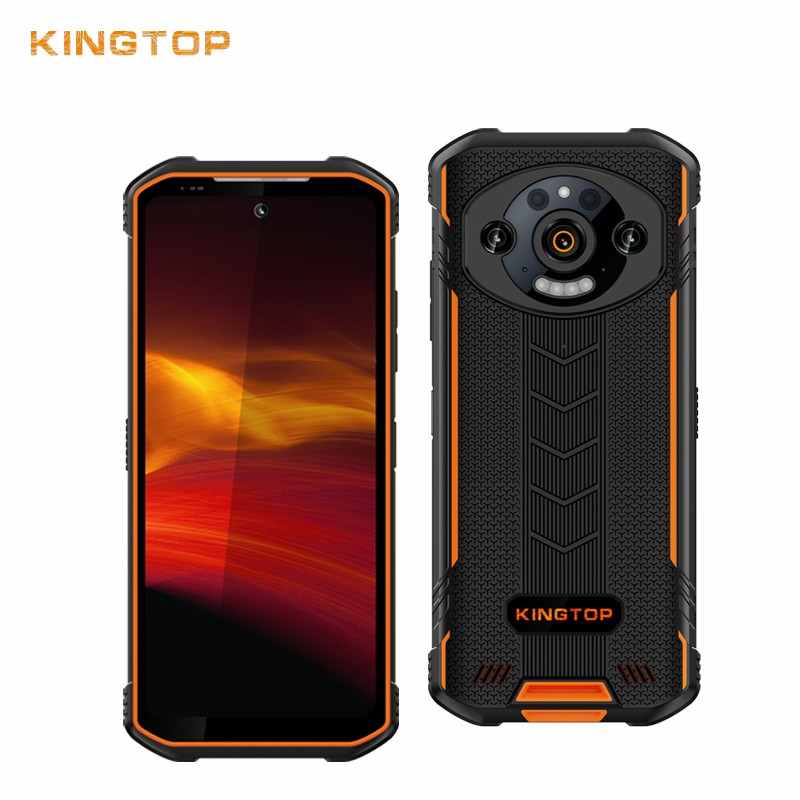
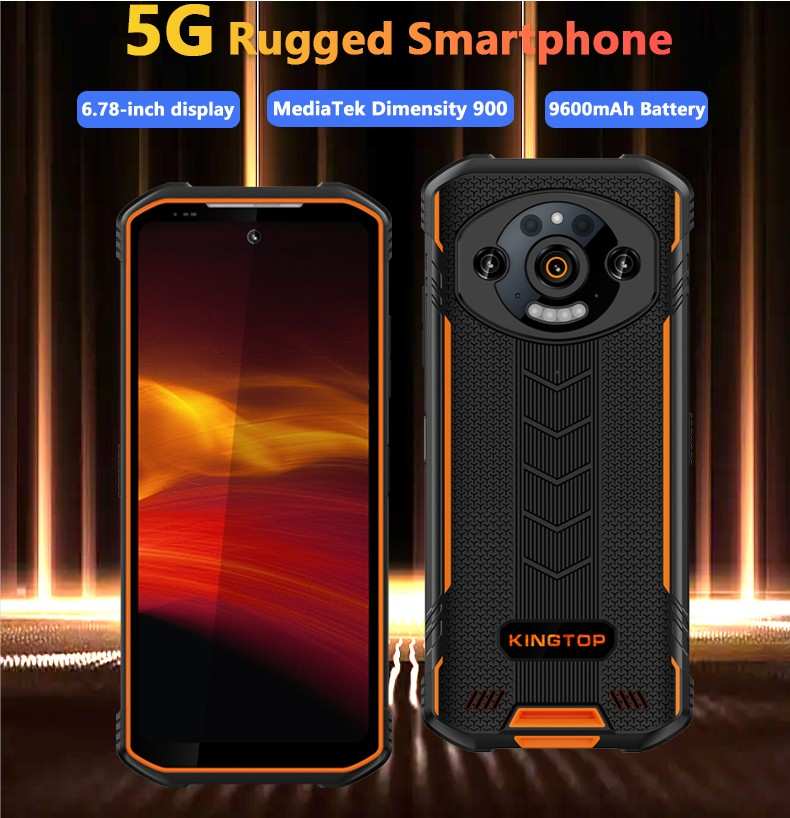
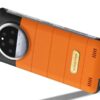
Rugged smartphones have become essential for outdoor enthusiasts, industrial professionals, and anyone who demands a durable, reliable mobile device. Devices like the Kingtop 5G rugged phone are engineered to withstand drops, water, dust, and extreme conditions, offering unmatched protection compared to conventional smartphones. While these waterproof rugged phones provide exceptional reliability, they also come with trade-offs that buyers should understand before making a purchase.
Benefits of Rugged Phones
1. Superior Durability
Rugged smartphones are specifically engineered to withstand harsh environments. They often meet IP68 waterproofing standards and military-grade shock resistance certifications. Whether you’re working on a construction site, hiking in extreme conditions, or accidentally dropping your device, rugged phones offer unmatched protection compared to standard smartphones.
-
Shockproof bodies reduce the risk of internal and external damage.
-
Waterproof features ensure safe usage in rain, puddles, or accidental spills.
-
Dustproof and resistant to sand and debris make them ideal for outdoor adventures.
2. Long-Lasting Battery Life 🔋
Many rugged phones come equipped with large-capacity batteries to support extended fieldwork or outdoor activities. For example, the Kingtop 5G rugged phone offers multi-day battery life, allowing uninterrupted use in areas without access to electricity.
-
Ideal for remote work sites and long outdoor trips.
-
Reduces the need for frequent recharging.
-
Supports continuous GPS tracking, navigation, or emergency communication.
3. Advanced Outdoor Features
Some rugged phones provide extra functionalities that benefit professionals and outdoor users:
-
Thermal cameras, barometers, and altimeters for fieldwork.
-
Enhanced GPS accuracy and offline maps for hiking or exploration.
-
Programmable buttons for emergency alerts or quick access to tools.
4. Reliable Connectivity and Performance
High-end rugged smartphones, like the Kingtop 5G rugged phone, integrate 5G network support and high-performance chipsets. This ensures smooth communication, fast downloads, and effective multitasking, even in challenging environments.
Disadvantages of Rugged Phones
1. Bulkier and Heavier Design
To achieve durability, manufacturers often use reinforced materials such as thick plastics, metal frames, and rugged rubber edges. While these materials protect the device, they also make rugged smartphones larger and heavier.
-
Pocket carrying can feel cumbersome.
-
Single-hand operation becomes more difficult.
-
Users seeking sleek and lightweight designs may find them inconvenient.
2. Higher Cost
Durable engineering comes with a premium. Rugged Android phones and 5G rugged phones generally cost more than standard smartphones with similar specifications.
-
Military-grade features, reinforced screens, and advanced waterproofing increase production costs.
-
Industrial sensors or antennas add to the price.
-
Extra cost may not be justified for users who rarely face extreme conditions.
3. Software Limitations and App Restrictions
Some rugged phones come with specialized interfaces tailored for industrial or professional use.
-
Pre-installed apps may focus on work utilities, limiting entertainment options.
-
App stores might be restricted, affecting app availability.
-
Software updates can arrive slower than mainstream consumer devices.
4. Longer Charging Times
Rugged phones often include high-capacity batteries to ensure long-lasting usage. While beneficial in the field, this also leads to longer charging times.
-
Users need to plan charging schedules carefully during outdoor trips or work shifts.
-
Fast-charging support is not always standard on all models.
Summary ✅
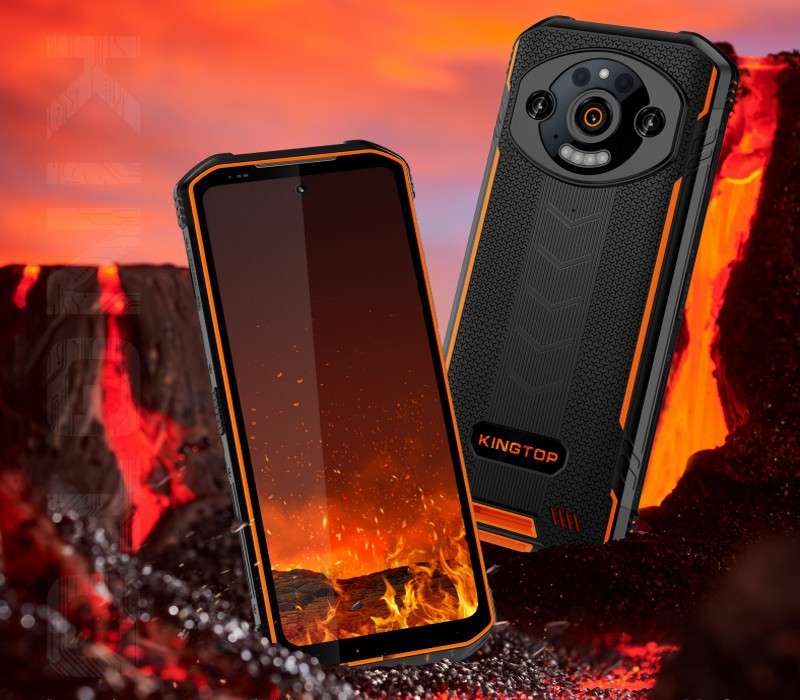
Rugged smartphones, like the Kingtop 5G rugged phone, deliver unparalleled durability, water resistance, long battery life, and specialized outdoor features. They are perfect for industrial professionals, outdoor adventurers, and anyone who prioritizes reliability over aesthetics.
However, these devices have trade-offs, including bulkier designs, higher costs, potential performance compromises, limited software flexibility, and longer charging times.
When choosing a rugged phone, evaluate your specific needs:
-
If durability, battery longevity, and extreme environmental resistance are essential, a rugged Android phone is the ideal choice.
-
If you prioritize style, slim design, or top-tier performance, a mainstream smartphone might suit you better.
By carefully weighing the benefits and disadvantages, users can select a rugged phone that perfectly aligns with their lifestyle, work demands, and outdoor activities.






Leave a reply